Mercedes-Benz India has announced a revision in vehicle prices across its entire portfolio, confirming an increase of up to 2 percent starting January 1, 2026. The luxury carmaker has attributed this decision to sustained economic pressures, including rising input costs, higher logistics expenses, and prolonged currency volatility throughout 2025. With the Euro continuing to trade above the INR 100 level for much of the year, the cost of imported components and fully built units has increased significantly. Despite absorbing a large portion of these expenses through localization and operational efficiencies, Mercedes-Benz has stated that a selective price adjustment has become necessary to ensure long term business sustainability in the Indian market.
Mercedes-Benz Confirms Price Hike Effective January 2026
Mercedes-Benz India has officially announced a price increase of up to 2 percent across its entire vehicle portfolio, effective from January 1, 2026. The decision comes amid ongoing economic pressures impacting the luxury automotive segment, including rising input costs, sustained currency volatility, and increasing logistical expenses.
The German luxury carmaker stated that the move is necessary to maintain business sustainability while continuing to deliver premium products and services to Indian customers. Despite absorbing a significant portion of cost escalations through localization and operational efficiencies, Mercedes-Benz confirmed that a selective price adjustment has now become unavoidable.
This announcement affects all models sold in India, including locally assembled vehicles, completely built units, high performance AMG cars, and the brand’s growing electric vehicle portfolio.
Quick Summary of Mercedes-Benz Price Hike
Category |
Details |
|---|---|
Price Increase |
Up to 2 percent |
Effective Date |
January 1, 2026 |
Reason |
Rising costs, currency volatility, logistics |
Currency Concern |
Euro consistently above INR 100 |
Most Affected |
Imported CBUs and AMG models |
Local Production |
Chakan facility |
Electric Vehicles |
Both local and imported affected |
Financial Support |
Benefits via Mercedes-Benz Financial Services |
Official Website |
Reasons Behind the Mercedes-Benz Price Increase
Mercedes-Benz India has cited multiple macroeconomic and operational factors that have collectively led to this decision. One of the primary concerns highlighted by the company is prolonged currency volatility throughout 2025.
According to the automaker, the Euro to Indian Rupee exchange rate has consistently remained above the INR 100 mark during the year. This level is significantly higher than historical averages and has directly increased the cost of imported components as well as fully imported vehicles.
Key factors driving the price hike include:
- Sustained volatility in the Euro INR exchange rate
- Rising input and raw material costs
- Higher logistics and freight expenses
- Inflationary pressures across operations
- Increased cost of imported parts and CBUs
These challenges have impacted both locally assembled vehicles and imported models, placing pressure on overall operational costs.
Statement from Mercedes-Benz India Leadership
Santosh Iyer, Managing Director and Chief Executive Officer of Mercedes-Benz India, provided clarity on the company’s position regarding the price revision.
He explained that currency headwinds have persisted far longer than initially anticipated. With the Euro trading consistently above the INR 100 mark, every aspect of the company’s operations has been affected. This includes imported components used in local production facilities as well as completely built units brought into the country.
He further stated that rising input costs, increasing logistics expenses, and inflationary pressures have collectively pushed up the overall cost structure of the business. While Mercedes-Benz has attempted to mitigate these impacts through localization and internal efficiencies, a price revision has become necessary to ensure long term viability.
Role of Localization and the Chakan Manufacturing Facility
Mercedes-Benz India emphasized that its strong localization strategy has helped cushion the impact of rising costs to a large extent. The brand’s manufacturing facility in Chakan, Maharashtra, plays a crucial role in this strategy.
The Chakan plant is an integral part of Mercedes-Benz’s global production network and is responsible for assembling several key models for the Indian market. Vehicles produced locally benefit from reduced import dependency, which helps moderate the extent of price increases compared to fully imported models.
Locally assembled models include:
- A-Class
- C-Class
- E-Class Long Wheelbase
- S-Class
- Mercedes-Maybach S 580
Electric vehicles assembled at the facility include the EQS 580 sedan and EQS SUV 450. These models are expected to see relatively lower price adjustments compared to models with higher import content.
Imported Models to See Higher Impact
Mercedes-Benz confirmed that the magnitude of the price hike will vary across models. Vehicles with higher import dependency are expected to witness relatively larger price adjustments.
Imported models in the Indian lineup include:
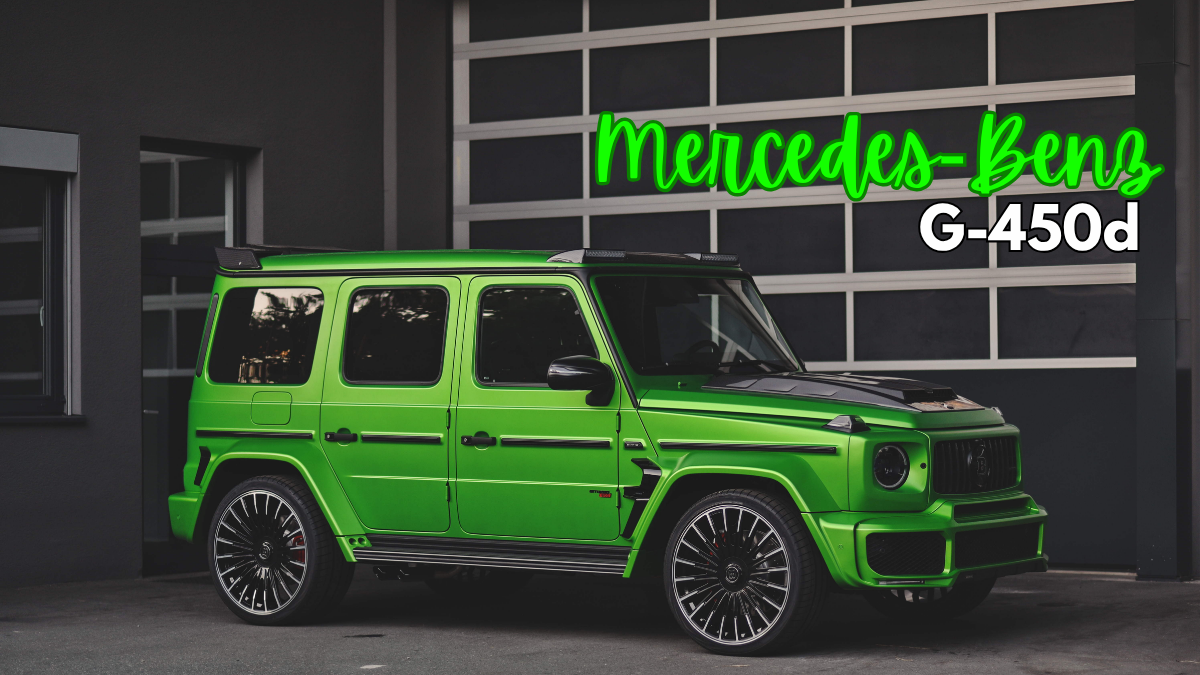
- G 450d
- Mercedes-Maybach GLS
- AMG performance models ranging from A 45 S to GT 63 S E-Performance
The company also imports several electric vehicles as CBUs. These include the EQA 250, EQB SUVs, EQE 500 4MATIC SUV, Mercedes-Maybach EQS 680 SUV, and the G 580 with EQ Technology. Due to their import nature and higher exposure to currency fluctuations, these models are more vulnerable to price changes.
Impact on Mercedes-Benz Electric Vehicle Portfolio
Mercedes-Benz India continues to expand its electric vehicle presence in the country, offering one of the widest luxury EV portfolios. However, the same economic pressures affecting internal combustion models also apply to battery electric vehicles.
Imported EVs face additional challenges due to battery costs, global supply chain dependencies, and currency fluctuations. While locally assembled electric models benefit from partial insulation against these factors, imported EVs are likely to see price revisions closer to the upper end of the announced range.
Despite this, Mercedes-Benz remains committed to its electric mobility strategy and continues to invest in expanding EV adoption in India.
Financial Services Support to Offset Price Impact
In a move aimed at reducing the impact of higher prices on customers, Mercedes-Benz highlighted the role of Mercedes-Benz Financial Services. The company noted that continuous repo rate reductions by the Reserve Bank of India have enabled its financial arm to pass on benefits to end customers.
These benefits include more competitive financing options, which can help offset the effect of price increases to a certain extent. This approach allows customers to continue accessing luxury vehicles through attractive loan and leasing plans even as ex showroom prices rise.
What This Means for Indian Buyers
For prospective buyers, the price hike means that purchasing a Mercedes-Benz vehicle before January 1, 2026, could result in cost savings. Customers planning to buy models with higher import dependency may want to factor in the upcoming price revision while making purchase decisions.
Existing customers are not impacted by this change, as the revised prices will only apply to vehicles invoiced from the effective date. Mercedes-Benz dealerships across India are expected to communicate model wise price revisions closer to implementation.
Frequently Asked Questions
Q. When will the Mercedes-Benz price hike take effect
A. The revised prices will be applicable from January 1, 2026.
Q. How much will Mercedes-Benz vehicle prices increase
A. Prices will increase by up to 2 percent depending on the model and its level of import dependency.
Q. Which models will see the highest price increase
A. Imported models, including AMG cars and select electric vehicles, are expected to see relatively higher increases.
Q. Are locally assembled Mercedes-Benz cars affected
A. Yes, but the increase is expected to be lower compared to fully imported models due to localization benefits.
Q. Can financing options reduce the impact of the price hike
A. Yes, Mercedes-Benz Financial Services plans to offer competitive financing solutions to help mitigate the impact on customers.
For More Information Click HERE